
A restaurant owner is simultaneously chef, manager, marketer, buyer, and host. Thin margins — food costs around thirty percent, labour around forty — leave little room for error. And the administration: rosters, orders, financial reports, guest communication in multiple languages. That is hours per week not spent with guests.
Hospitality is different from the other sectors in this series. There is no professional secrecy. There is no GDPR Article 9 data — or almost none. The primary argument for local AI here is not legal compliance, but something more fundamental: your business knowledge is your competitive advantage, and it does not belong on an external platform.
Allergy data: the exception that matters
There is one category of data in hospitality that warrants extra care. When a guest indicates a nut allergy or gluten intolerance, they are sharing health data. The GDPR protects this as a special category (Article 9). The legal basis is Article 9(2)(c): protection of the vital interests of the data subject. The allergy information is necessary to protect the guest’s health.
In practice: a cloud-based reservation system storing allergy data is processing special category data. That requires a data processing agreement, a clear legal basis, and a defined retention period. A local solution — allergy registration on your own hardware — avoids the transfer to an external processor entirely and simplifies compliance.
Your business knowledge belongs to you
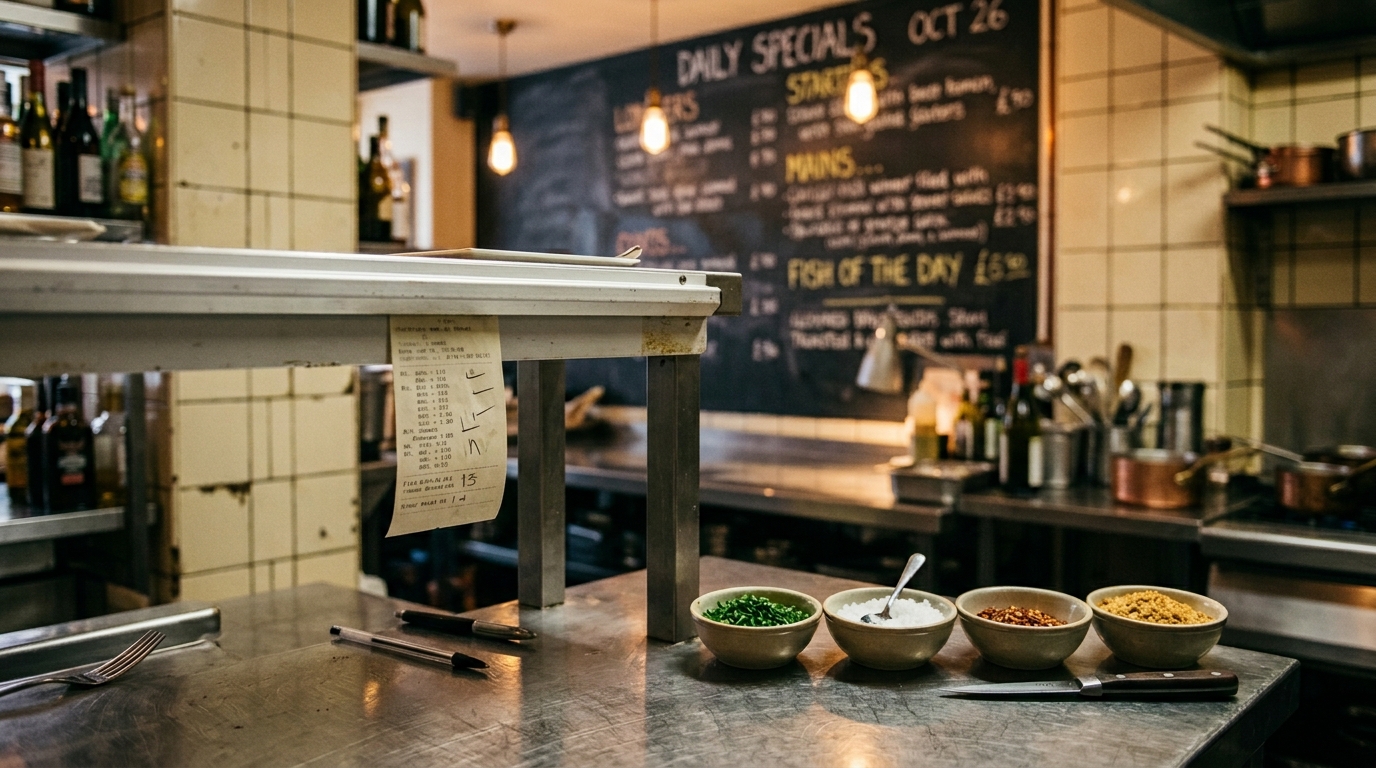
Which dishes sell best on Friday evenings? What is the cost price of your signature dish after the last supplier price increase? Which guests come back every month, and what do they order? Who prefers working Saturdays and who does not?
This is knowledge built over years. It is the core of what distinguishes your business from the competitor down the street. And when you process that data through cloud AI platforms, you are sharing it — not explicitly, but it sits on their servers. Platforms use usage data to improve their services. Your bestsellers, your margins, your guest patterns become input for systems you do not control.
“Your recipes, your guest knowledge, your business rhythm: that is your brand. Local AI keeps that knowledge internal.”
Local AI processes that data on your own hardware. Nothing travels to external servers. Your competitive advantage remains yours.
Six use cases that deliver immediate value
Menu guide and allergy assistant. A local AI assistant that tells your staff in seconds which dishes are gluten-free and nut-free. Or a tablet where guests enter their dietary preferences themselves and receive tailored menu suggestions — in their own language. Faster service, fewer errors, safer for the guest.
Stock management and order prediction. AI that combines sales data, seasonal patterns, and weather forecasts to suggest tomorrow’s orders. Ordering too much means waste. Too little means sold out on the menu — lost revenue and disappointed guests. AI optimises this daily.
Staff scheduling. A roster for fifteen employees over four weeks takes hours. AI generates a first version in minutes, accounting for availability, labour law requirements, and projected occupancy. You adjust, AI recalculates.
Multilingual guest communication. In a university city like Leuven — or any tourist destination — your guests come from dozens of countries. AI makes professional communication in English, French, Spanish, or German possible without external translation services.
Daily financial summary. Revenue, costs, margin per category, comparison with last week — generated every evening in two minutes. No hour in a spreadsheet. Faster course corrections, better overview.
Recipes and cost price calculation. When ingredient prices rise, which dishes are still profitable? AI recalculates your cost prices automatically and flags which items need adjustment. Your margin stays protected without manually working through spreadsheets.
Three steps you can take now
1. Start with your biggest administrative bottleneck
What costs you the most time outside of actual guest work? Rosters, orders, or financial reports? Start with that one thing. AI that takes over one time-consuming task immediately creates space for everything else.
2. Review your reservation system critically
Does your reservation system store allergy data? With which provider does that data reside? Do you have a data processing agreement? This is the fastest GDPR check for hospitality — and most operators do not have the answer ready.
3. Think in investment, not subscription
A local AI setup is a one-time investment in hardware and configuration. No monthly subscription that runs whether you use it or not. For a hospitality business operating on thin margins, that is a fundamentally different financial model from cloud tools — and cheaper over the medium term.